
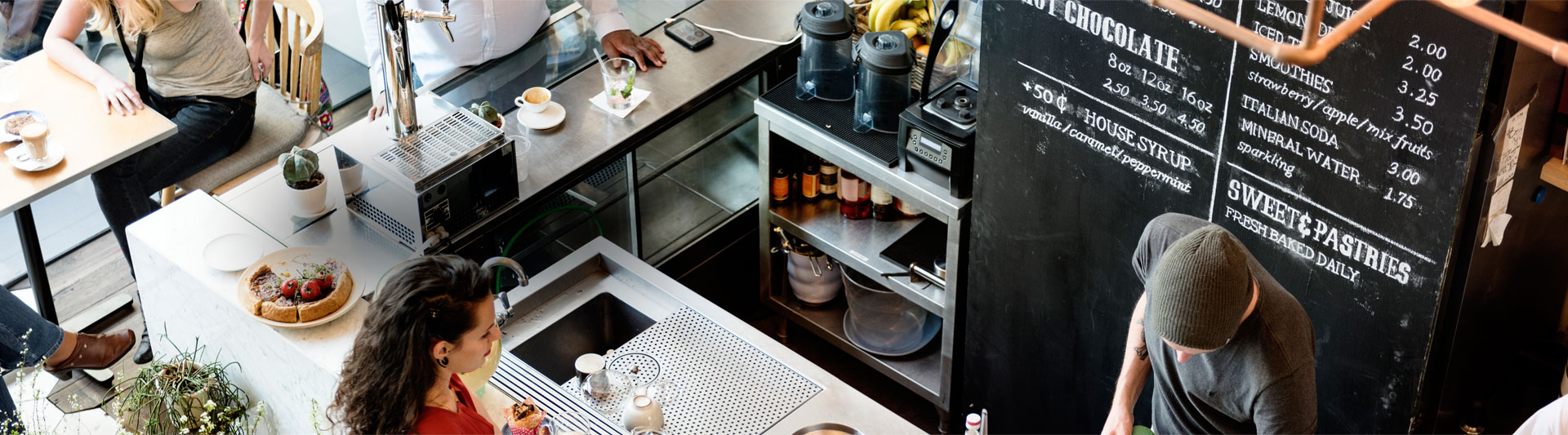
Store presentation and merchandising assessment checks whether customers can enter, find products, understand offers and use service points without avoidable confusion. It connects the condition of the environment with the customer’s shopping task.
Store presentation covers the wider environment and readiness. Merchandising concerns how products are arranged, explained and made available. A useful assessment distinguishes the two so that a specific finding reaches the person who can act.
Define the store and the customer mission
Choose a realistic mission, such as finding a named product, comparing a small category or locating help. Agree the areas to visit and what the shopper should attempt before asking for assistance. Store format, trading conditions and the purpose of the visit affect which observations are relevant.
Provide the current presentation standard or campaign reference where a comparison is required. Without a planogram or approved display brief, a shopper can describe a display but cannot reliably judge its conformity to an internal design.
A practical presentation and merchandising checklist
| Area | Question to assess | Evidence to record |
|---|---|---|
| Approach and entrance | Is the trading status clear and the entrance usable? | Posted hours, signs, obstructions and the customer’s route. |
| Cleanliness and order | Are customer-facing areas visibly maintained? | Specific location, condition and time of observation. |
| Navigation | Can the customer locate the required category or assistance? | Labels followed, backtracking and help requested. |
| Displays | Can the shopper see and compare the relevant products? | Display condition, obstructed information and comparison difficulty. |
| Price and promotion | Is the displayed information clear and matched to the product? | Product reference, ticket wording and conflicting information. |
| Availability | Can the customer find the advertised or requested item? | Shelf observation, staff response and alternatives offered. |
| Service points | Can the customer obtain help or proceed to payment? | Counter readiness, queue guidance and equipment issues visible to the customer. |
Write observations that another person can use
Replace “the store was untidy” with a location and condition: an empty carton beside a named display, missing price information on a specified item, or a queue with no indication of where to wait. Record when the condition was observed and whether staff addressed it.
Use photographs only within the approved program and site permissions. Avoid collecting images of customers or unnecessary identifying information. A written observation should still explain what the evidence shows.
Separate a stock observation from its cause
An empty shelf does not establish that the product is absent from the building. Record the shelf condition, the response to a natural availability question and whether staff can locate the item or explain a next step. Inventory records and replenishment processes may need a separate operational review.
Fictional example: a promoted item has an empty display position, but an employee finds stock elsewhere and completes the request. The finding is a customer-readiness or replenishment gap, rather than a confirmed total stock-out.
Keep customer experience and specialist audits distinct
A mystery shopper can report a visibly obstructed route or a broken customer-facing screen. That observation does not certify building accessibility, electrical safety or regulatory compliance. Refer specialist questions through the organisation’s established process.
Define exceptions before scoring. A temporary delivery obstruction and a consistently difficult layout may need different responses; repeated visits and operational records help establish the pattern.
Assign a practical recovery action
Group findings by zone and type: presentation recovery, signage correction, replenishment or maintenance. Assign ownership and a review point. Compare later visits using the same mission and standards, retaining evidence of recurring defects.
Assess conversation quality separately so that an attractive display does not conceal a weak recommendation, and a helpful employee does not erase a presentation failure.
Sources and use
Prepared by Secret Customer Australia · Published 13 November 2026. Adapted from approved public Academy guidance: Store Presentation (MG-016) and Merchandising (MG-017). The checklist is a program-design framework. It is not a measured industry average, a client result or a specialist compliance inspection.
For staff interaction criteria, see Retail Sales Conversation Assessment. For program enquiries, visit our retail mystery shopping service page. Browse the Secret Customer Academy for the supporting guides.