
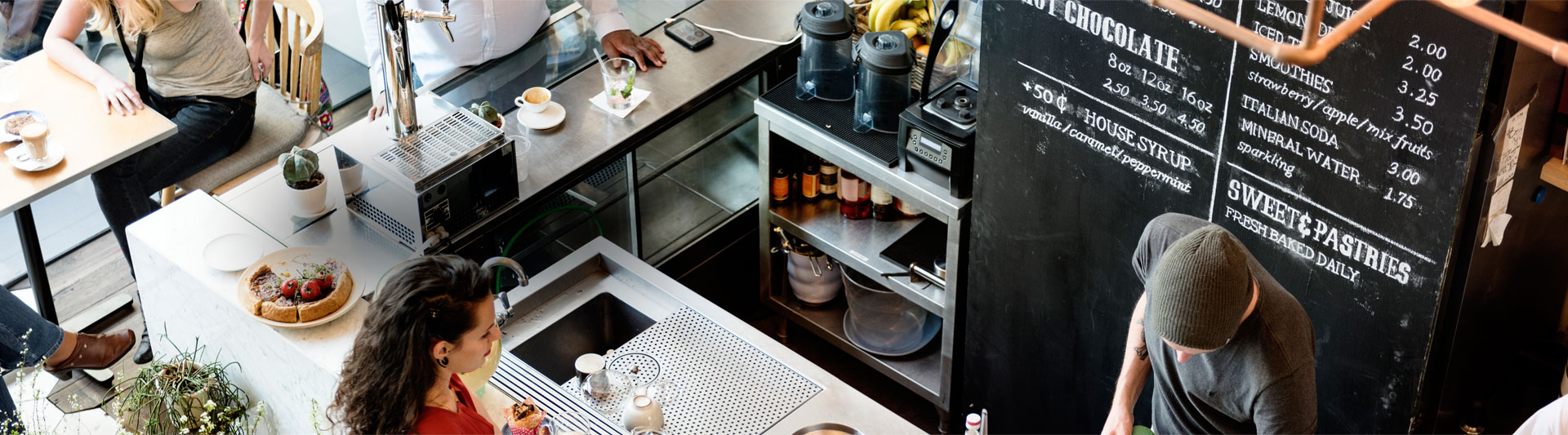
A hospitality customer experience assessment follows the guest’s journey from enquiry or booking through arrival, service and departure. It records whether the venue delivers its agreed standards and commitments, with specific evidence behind each finding.
This guide helps venue managers and assessment teams turn guest-service expectations into a practical scorecard. Accommodation, restaurant, café and venue journeys need different scenarios; they should not share every question merely because all involve hospitality.
Start with the guest occasion
Define the type of visit, party size, channel, permitted spend and intended task. Establish whether the assessment includes a reservation, meal, stay or simple enquiry. Specify booking and cancellation arrangements before any commitment is made.
Select realistic requests that allow service to unfold naturally. Avoid prompting employees through a checklist. Define the stopping point and escalation route for an interaction that exceeds the agreed scope.
Hospitality assessment checklist
| Moment | What to assess | Evidence to capture |
|---|---|---|
| Booking or enquiry | Clear answers, accurate confirmation and expectation setting. | Question asked, response, confirmation and any unresolved detail. |
| Arrival | Acknowledgement, orientation and readiness. | Arrival and acknowledgement times, directions and visible conditions. |
| Ordering or request | Listening, relevant knowledge and confirmation. | Request details, questions asked and what was confirmed. |
| Service delivery | Order accuracy, attentiveness and communication. | What arrived or was completed, timing and updates. |
| Presentation | Observable condition of customer-facing areas and items. | Specific table, area, fixture or presentation issue. |
| Recovery | Ownership and a useful next step when an issue arises. | Response, responsible team and promised action. |
| Departure | Accurate account, clear payment and a courteous close. | Any discrepancy, explanation and final interaction. |
Use timings with context
Record consistent start and end points: for example, arrival to acknowledgement or placing an order to receiving it. Keep acknowledgement, meaningful response and completion separate. A quick greeting does not establish that the guest’s request was completed.
Set targets around the venue’s service promise and operating model. The Academy’s Hospitality Benchmark guide provides management reference points; it does not supply measured national averages that every venue should meet.
Describe food and venue observations precisely
Separate order accuracy, visible presentation and personal preference. A shopper who dislikes a flavour has not established an objective service failure. Use defined criteria and the shopper’s competence, retaining the details needed for a manager to understand the observation.
This framework does not replace food safety, liquor or other specialist inspection. Do not manufacture allergy or medical emergencies, or create unnecessary waste or conflict to test staff.
Observe recovery without forcing a confrontation
Fictional example: a guest asks for an update on an outstanding item. An employee checks, explains the delay and gives a revised expectation. If no update follows after that commitment, the finding concerns follow-through as well as the original wait.
Assess the actual issue and the response separately. A helpful recovery may reduce effort and uncertainty, but it does not make the initial error disappear from the record.
Turn visit evidence into venue action
Group results by stage, location and shift where the sample permits. A repeated delay may involve handover or capacity rather than the individual who takes the order. Combine reports with operational records and guest feedback before drawing a broader conclusion.
Assign a clear improvement owner, then check later comparable visits. Keep the critical basics visible so that a high friendliness score does not hide an unresolved request or inaccurate account.
Sources and use
Prepared by Secret Customer Australia · Published 13 November 2026. Adapted from approved public Academy guidance: Hospitality Industry Guide (MG-033) and Hospitality Benchmark (MG-054). The checklist is a program-design framework. It is not a measured industry average, a client result or a specialist compliance inspection.
For recovery criteria, see Complaint Handling and Service Recovery Assessment. For program enquiries, visit our hospitality mystery shopping service page. Browse the Secret Customer Academy for the supporting guides.